Table Of Content
The primary requirement of these cruise vessels is passenger safety and engagement. In such conditions, their maintenance stoppages will be minimum and with high safety awareness. Most people don’t worry about fuel outside of filling up the gas tank in their car.
How much does it cost to fuel a cruise ship?
There are over 400 ports around the world that offer marine fuel, so chances are there will always be fuel available no matter what ship you’re on. On average, a large cruise ship may consume between 30 to 50 tons of fuel per day, translating to about 1.25 to 2.08 tons per hour, assuming the ship is operating continuously for 24 hours. For a large, modern cruise ship, the fuel efficiency might be around 0.002 miles per gallon (mpg) or even less.
Factors Affecting Fuel Consumption
Aside from propulsion, cruise ships require a significant amount of power to operate various systems and facilities onboard. This includes lighting, air conditioning, water purification, entertainment, and more. The energy consumption of these auxiliary systems can contribute significantly to a cruise ship’s overall fuel consumption. Diesel-electric engines are widely used in the cruise industry due to their higher fuel efficiency compared to gas turbine engines. In a diesel-electric system, the ship’s propulsion is provided by electric motors powered by generators driven by diesel engines. This configuration allows for better control over the power distribution and enables the engines to run at their optimal efficiency levels.
Ship’s Engine and Design
By leveraging technology, optimizing itineraries, and adopting cleaner fuels, cruise lines can continue to improve their fuel efficiency and contribute to a more sustainable future. Cruise lines strive to provide an extraordinary experience with all the luxuries and entertainments onboard, while also keeping an eye on fuel efficiency. The size of the ship is a key factor in this balancing act, as it directly impacts not only the fuel consumption but also the overall environmental footprint of the cruise experience. Larger cruise ships tend to have higher gas consumption rates compared to smaller ones. Mega-ships that can accommodate thousands of passengers and offer numerous amenities require more power to propel them through the water, resulting in increased gas consumption.
Cruise Ship Methane Leak Shows Hidden Climate Impact - Bloomberg
Cruise Ship Methane Leak Shows Hidden Climate Impact.
Posted: Mon, 31 Jul 2023 07:00:00 GMT [source]
Hotels With Cruise Shuttles For Every Major Port in America
Cruise ships are essentially self-sustaining cities, with onboard restaurants, swimming pools, theaters, shopping areas, and more. All of these amenities require energy, which is supplied by the ship’s engines running on fuel. It’s worth noting that fuel consumption is not solely determined by the distance traveled. Cruise ships often spend a significant amount of time docked at port, where they can connect to a shore power supply and reduce their dependence on onboard generators. However, when at sea, they rely heavily on their engines to maintain a steady speed and power the ship’s systems.
Using LNG to power large cruise ships is a relatively new (2016) concept. Due to LNG tanks' large sizes, this fuel is used usually on smaller passenger shipping vessels (ferries) operating on short crossing itineraries. Compared to other fuels (including MGO / marine gas oil), LNG is purer (no unburned residues, fewer greenhouse gases), more efficient, stable and cheaper (reduces fuel costs).
Plus, cruise ships can change course to avoid bad weather, such as hurricanes, so you can salvage your beach vacation when a storm is headed toward a particular island by cruising to a different one. If you booked a land-based stay, you'd be forced to cancel — or hunker down and wait for the rain and winds to pass. One reason cruise lines are hesitant to embrace nuclear power is that getting passengers to board a ship with a nuclear reactor on it will likely be a hard sell, following well-publicized nuclear accidents. The accidents have been rare, and nuclear power has been a safe source of electric power in many countries for decades, but fear of an accident, like a radiation leak or meltdown, persists. “Where I see nuclear potentially fitting in [to the cruise industry] is a potential future retrofit.
Cruise Ship Fuel Usage
They're close to the U.S. and cruise lines use these ports to break up the multiple days at sea needed to sail farther south into the Caribbean proper. However, some ships sail a Western Caribbean itinerary that's more focused on Central America, with stops in Mexico, Belize and Honduras. These itineraries are great for travelers who are interested in Mayan or Mexican culture in addition to beaches and water sports. The International Maritime Organization (IMO), the United Nations agency that regulates global shipping, has set a target for the cruise sector to reach carbon neutrality by 2050. Consequently, ship manufacturers are assessing their options for zero-emission fuels, and nuclear power is one of them. Fuel may be the last thing you think about on your cruise, but it’s very important.
Liquified Natural Gas (LNG)
Finding the right balance between maintaining a reasonable cruising speed and meeting itineraries, as well as optimizing routes to minimize fuel usage, are key considerations for cruise operators. In addition to CO2, cruise ship fuel consumption also results in the emission of other air pollutants, including sulfur dioxide (SO2), nitrogen oxides (NOx), and particulate matter (PM). These pollutants can have detrimental effects on both human health and the environment.
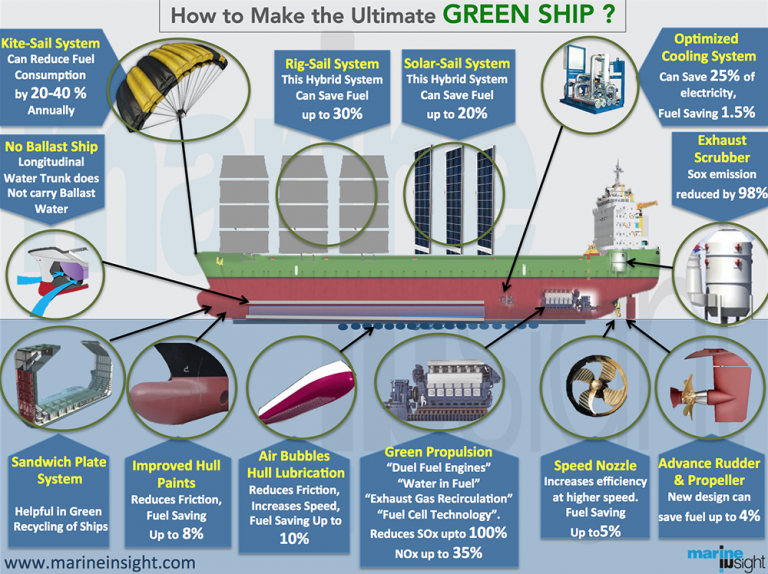
Strategies can include optimizing ship speeds and routes, improving the fuel efficiency of ships through technological upgrades or better maintenance practices, and exploring alternative fuels or power sources. Some modern cruise ships are even exploring the possibilities of hybrid propulsion systems, combining diesel engines with battery power, or potentially using renewable sources such as wind or solar power. However, these are still in the early stages of development and implementation. If you’ve ever wondered about the environmental impact of cruise ships and the amount of fuel they burn, you’ve come to the right place. Cruising the open seas is a popular vacation choice for many, but it’s important to understand the impact this form of travel has on our planet. Now, let’s navigate through the fascinating world of fuel consumption figures for cruise ships.
For example, a ship travelling at higher speeds will consume more fuel per mile, as will a ship that is carrying a heavy load of passengers and cargo. For instance, if a large cruise ship has a fuel capacity of 1.33 million gallons and the current price of Heavy Fuel Oil (HFO) is $3 per gallon, it would cost approximately $4 million to fill it. Cruise ships are often refuelled while in port during passenger turnover, so the refuelling process is often designed to align with the ship’s broader operational schedule. For example, the bunkering process may start in the early morning when a ship arrives in port and aim to finish by the afternoon when the ship departs. On average, refuelling a large cruise ship with Heavy Fuel Oil (HFO) can take up to 8-10 hours.
The rotor sail system is automated and shuts down when unfavorable changes in wind force or direction occur. When entering service in 2004, the Cunard's QM2 was the biggest in the world at 150,000 GR tonnes. Her designer Stephen Payne showed the advantages of pod-propulsion giving vessels increased maneuverability. The propellers (screws) of the QM2 ship are mounted on the pods which rotate 360 degrees and provide advanced maneuverability.
Hence, these vessels can give you speeds of 20 knots and more with such consumption. Meanwhile, like their larger sisters, the medium-size cruises also have manoeuvring requirements. Cruise ships are the biggest and mightiest sea-going vessels available in the shipping industry at present. Unlike the cargo ships, these carry passengers for entertainment and transport across the water bodies. Hence, the common question of how much fuel does a cruise ship use arises often.